

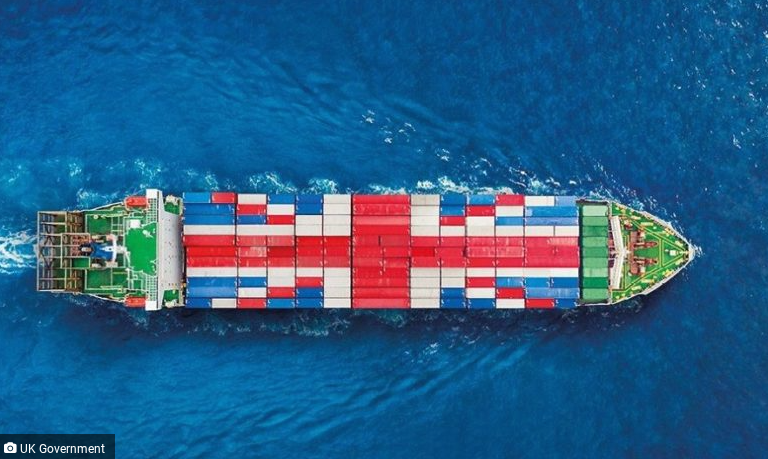
Britain has laid out plans for a new shipping fuel regulation that could initially cover around 5,000 vessels calling at its ports, including ships operating on international routes.
The Department for Transport opened a consultation this week on a proposed greenhouse gas intensity standard, which the government expects to introduce from 2030.
The regime would initially apply to ships of 5,000 gt and above, irrespective of flag, requiring operators to progressively reduce the lifecycle emissions intensity of the fuels and energy they use.
Under the government’s preferred approach, the rules would cover all energy consumed on domestic voyages, half the energy used on voyages between British and foreign ports, and emissions generated while ships are alongside in the UK.
The obligation would fall on shipping companies rather than bunker suppliers. Britain is taking its lead from the EU’s FuelEU Maritime framework, which entered into force in January 2025, while seeking to retain flexibility around future IMO requirements.
Government modelling suggests 4,913 vessels of at least 5,000 gt called at UK ports in 2019. Another 2,405 smaller ships could eventually be brought into the regime if the threshold is lowered to 400 gt.
The consultation leaves several important questions unresolved, including how quickly emissions limits should tighten, how operators could pool or trade compliance credits, and the penalties for missing targets.
The latest move comes after domestic shipping was brought into the UK Emissions Trading Scheme in July.
British shipowners have already warned against copying the administrative problems encountered under FuelEU Maritime. In October, the UK Chamber of Shipping called for better-aligned reporting systems and realistic targets reflecting the availability of alternative fuels.
The consultation closes on February 22, 2027.
Related Ads



Leave feedback about this
You must be logged in to post a review.